

DM C : ค้นหาหนังสือธรรมะ หน้า 146 / 156
หน้าหนังสือทั้งหมด
156
The Tale of Sujāta and the Seven Types of Wives
by the tale of Sujāta, the younger sister of Viṣākha. This lady was the sister in law of Aṇṭhapiṇḍika but was very haughty because she inherited from a wealthy family. She had consideration neither fo
This narrative recounts the tale of Sujāta, who, despite her wealth, was arrogant and disrespectful in her relationships. When invited by Aṇṭhapiṇḍika, the Buddha hears of her conflicts and uses the o
157
Types of Wives: Characteristics and Comparisons
in other men, looking down on her husband — even when her husband is the one to pay her dowry in the first place — having no gratitude to her husband, and even going as far as attempting to kill her h
This text explores different types of wives and their characteristics, highlighting the negative traits of a wife like an enemy, robber, and boss, and contrasting them with the positive traits of a wi
159
The Festival of Fools: A Tale of Wisdom
Once there was a festival which had been organized by fools. It was called the ‘Festival of Fools’ and lasted for seven full days. The fools of the town would sit in a circle and get drunk before goin
Once there was a Festival of Fools characterized by reckless behavior of drunken townsfolk. A group of Buddha's followers, having achieved stream-entry, chose to meditate instead of participating. Upo
161
The Power of Right Action and Compassion
the snake started to crush him in his coils, he thought again of killing the snake, but remembering his Precepts he threw down the knife. He thought to himself, that if he should die, at least he woul
This text illustrates the significance of Right Action in Buddhist practice, showcasing a layman's resolute adherence to Precepts when confronted by a snake. The narrative emphasizes that true abstent
162
Teachings of the Buddha on Nobility and Right Action
ter asking all the monks’ names, the Buddha would ask his. The Buddha knew what he was thinking and asked the man his name. “Ariya” replied the man. In fact, the Buddah didn’t need to be told the man’
In this text, the Buddha teaches that true nobility is defined by one's actions towards living beings. Ariya learns that harming others disqualifies him from being 'noble', resulting in his attainment
163
The Story of Khujutara and Khema
money any more. She used the whole 1,000 kahapanas to buy flowers for Sammavadi and the courtesans. Seeing that there were more flowers than usual, the courtesans asked Khujutara whether the king had
This text narrates the story of Khujutara, who uses all her money for good after understanding the teachings of the Buddha about the consequences of embezzlement. Her change illustrates the concepts o
174
Understanding Right Effort and Mindfulness in Buddhism
Hearing the Lord Buddha’s explanation, the Brahmin attained "Stream-Entry".
This is an example of making effort representative of the third category of Right Effort on the worldly level arising from
ในบทเรียนนี้ เราจะทำความเข้าใจเกี่ยวกับ ความพยายามที่ถูกต้อง ร่วมทั้งการพัฒนาจิตสำนึกที่ถูกต้องในพระพุทธศาสนา โดยนำเสนอการรักษาคุณธรรมที่สงบ และการเจริญสติใน 4 ประการ เช่น การตั้งอยู่ในกาย อารมณ์ จิต
177
The Enlightenment of the Buddha’s First Disciple
The Enlightenment of the Buddha’s First Disciple
In preaching the Dhammackakapavattana Sutta, the Buddha revealed the Thirty-Seven Factors of Enlightenment [bodhipakkhiyadhamma], the Cycle of Depende
The Buddha, in the Dhammackakapavattana Sutta, introduced the Thirty-Seven Factors of Enlightenment, laying down the framework of the Four Noble Truths and the Cycle of Dependent Origination. Dhammaca
178
The Three Cycles of Examination in Buddhism
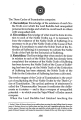
The Three Cycles of Examination comprise:
1. Saccānāna: Knowledge of the existence of each Noble Truth over which the Lord Buddha had unequaled personal knowledge and which he could teach to others wi
The Three Cycles of Examination define knowledge concerning the Noble Truths which the Lord Buddha taught. Saccānāna pertains to the knowledge of each truth’s existence; Kiccanānā addresses the necess
182
The Path to Nirvana: Konḍaṇṅa's Journey
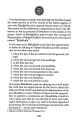
It is interesting to consider that although the Buddha taught the same sermon to all five monks in the Pañcavaggiya, it was only Konḍaṇṅa who attained stream-entry as a result. The reason for the diff
In the Pañcavaggiya, the Buddha's teachings resonated uniquely with Konḍaṇṅa, who attained stream-entry due to his extensive past merits and dedication. Born as Mahākāla, a rice-farmer during Vipassi
185
Exploration of the Dhammacakkapavattana Sutta
Appendix A.
Dhammacakkapavattana Sutta
for Pursuers of Perfection
1. Introduction
In this Appendix we delve a little deeper into the meaning of the Dhammacakkapavattana Sutta. The Dhammacakkapava
In this appendix, we explore the Dhammacakkapavattana Sutta and its complexities for modern readers. The Sutta serves as a brief but profound insight, showing how the Dhamma represents a path to enlig
186
The Jewelled Wheel of the Universal Monarch
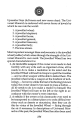
UPOSATHA DAYS (full-moon and new moon days). The Universal Monarch is endowed with seven forms of jewels by which he can rule the world:
1. A jewelled wheel;
2. A jewelled elephant;
3. A jewelled hors
This text discusses the essential attributes of the Jewelled Wheel bestowed upon the Universal Monarch. Among seven jewels, the Jewelled Wheel stands out for its double function as an invincible weapo
190
Bahiya and Konḍañña: Paths to Enlightenment
With those words alone, Bahiya was able to become an arahat. However, there are those, both in Thailand and abroad who look at examples such as that of Bahiya and come to the conclusion that you don't
This text delves into the spiritual journeys of Bahiya and Konḍañña, highlighting how Bahiya attained arahatship with minimal guidance, raising questions about the necessity of meditation for enlighte
195
The Buddha's First Sermon: A Journey of Enlightenment
just passed away seven days ago and would now have to spend an exceedingly long lifetime in the formless Brahma-world. He might not even have the chance to hear the teachings of the next Buddha, let a
This excerpt discusses the profound moment in the Buddha's life when he sought to teach meditation after renouncing worldly comforts. He encountered obstacles as potential disciples Udaka Rāmaputta an
200
The Middle Way and the Four Noble Truths
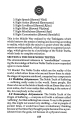
3. Right Speech [Sammā Vācā]
4. Right Action [Sammā Kammanta]
5. Right Livelihood [Sammā Ājīva]
6. Right Effort [Sammā Vāyāma]
7. Right Mindfulness [Sammā Sati]
8. Right Concentration [Sammā Samādhi]
This text discusses the Middle Way as taught by the Tathāgata, emphasizing the importance of Right Speech, Action, Livelihood, Effort, Mindfulness, and Concentration as a means to attain insight and e
202
The Noble Truth of the Origin of Suffering
all that way from the top of our head to the tips of our toes,
we are full of suffering — he had seen and known it for him-
self as a result of having the wherewithal to see and know
the nature of rea
The text delves into the Buddha's teachings on suffering, challenging ancient beliefs that linked suffering to divine punishment or fate. Instead, he identifies craving as the root cause of suffering,
203
Buddhist Teachings on Cessation of Suffering
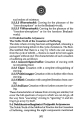
सual realms of existence;
3.2.2.2 Bhavaṭanāḥ: Craving for the pleasure of the "form-absorptions" or for the Brahmā-world;
3.2.2.3 Vibhaṭanāḥ: Craving for the pleasure of the "formless-absorptions"
This text delves into the Buddhist concepts of craving and the cessation of suffering. It describes various forms of craving and how they lead to rebirth, as well as the Noble Truth of cessation where
204
The Noble Eightfold Path and Its Fruits
earlier:
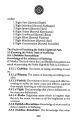
1. Right View [Sammā Ditthi]
2. Right Intention [Sammā Saṅkappa]
3. Right Speech [Sammā Vāca]
4. Right Action [Sammā Kammanta]
5. Right Livelihood [Sammā Ājīva]
6. Right Effort [Sammā Vāyāma]
The Noble Eightfold Path consists of eight practices aimed at ethical and mental development, leading to enlightenment. The path includes Right View, Intention, Speech, Action, Livelihood, Effort, Min
205
Understanding the Noble Truths and the Path to Cessation of Suffering
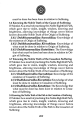
must be done has been done in relation to Suffering.
3.6 Knowing the Noble Truth of the Cause of Suffering
O! Monks! As a result of practising this Noble Eightfold Path, which gave rise to vision, ins
This text discusses the Noble Truths in Buddhism, specifically focusing on the knowledge related to the Origin of Suffering, the Cessation of Suffering, and the path leading to that cessation. Through
212
The Noble Truths of Suffering and Cessation
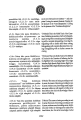
πεonæbhabikä <3.2.1.2> nandīrāga- one to one's here-and-now existence — and compries Craving for sensual pleasure; Craving for
sahagata <3.2.1.3> tatra taträ- the pleasure of the "form-absorptions"; C
This text discusses the Noble Truth of suffering (dukkha) and its cessation, emphasizing the importance of extinguishing craving to achieve liberation. It presents the Eightfold Path as the method to